
Meet the Echidna | Biodiverse Australia
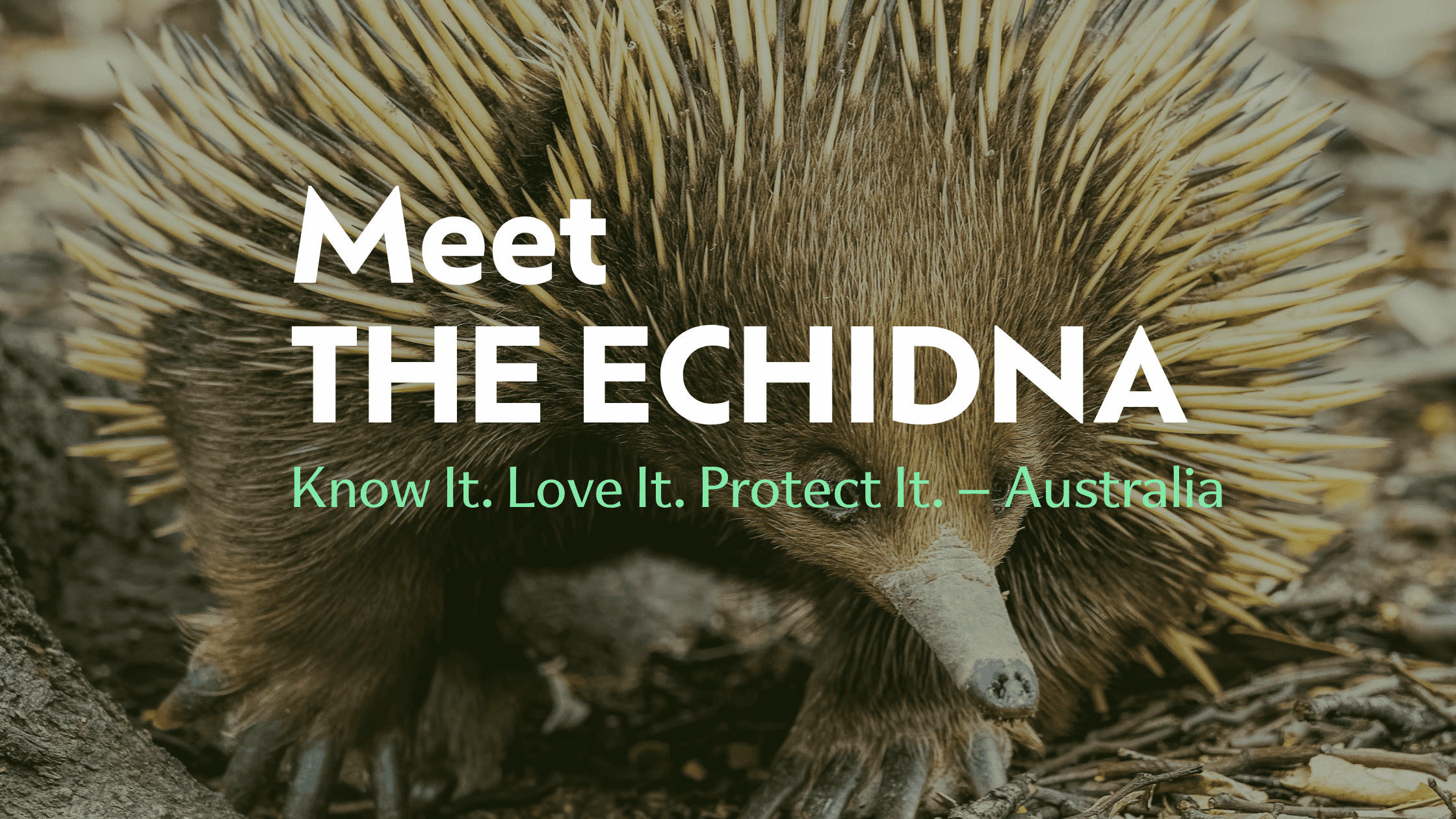
A living link to Australia’s ancient past, the echidna is one of the world’s most extraordinary mammals and one of only two egg-laying mammals on Earth, alongside the platypus.
Often overlooked as it quietly moves through forests, grasslands and even suburban backyards, this spiny species belongs to one of the oldest surviving mammal lineages on the planet: the monotremes.
It is a reminder that Australia is not just home to unique wildlife, it is home to deep evolutionary history still alive today.
Why it matters
The echidna plays an important ecological role far beyond what its quiet presence suggests.
🐜 It feeds on ants and termites hidden beneath soil and logs
🕳️ Its constant digging aerates soil and improves structure
🍂 It helps cycle organic matter back into the earth
🌱 Its activity supports seed burial and carbon storage in soils
In doing so, the echidna contributes to the health of entire ecosystems, from soil fertility to vegetation growth and carbon dynamics.
It is a small animal with a large ecological footprint.
Fun facts
🤓 Echidnas lay eggs, one of the rarest reproductive strategies among mammals
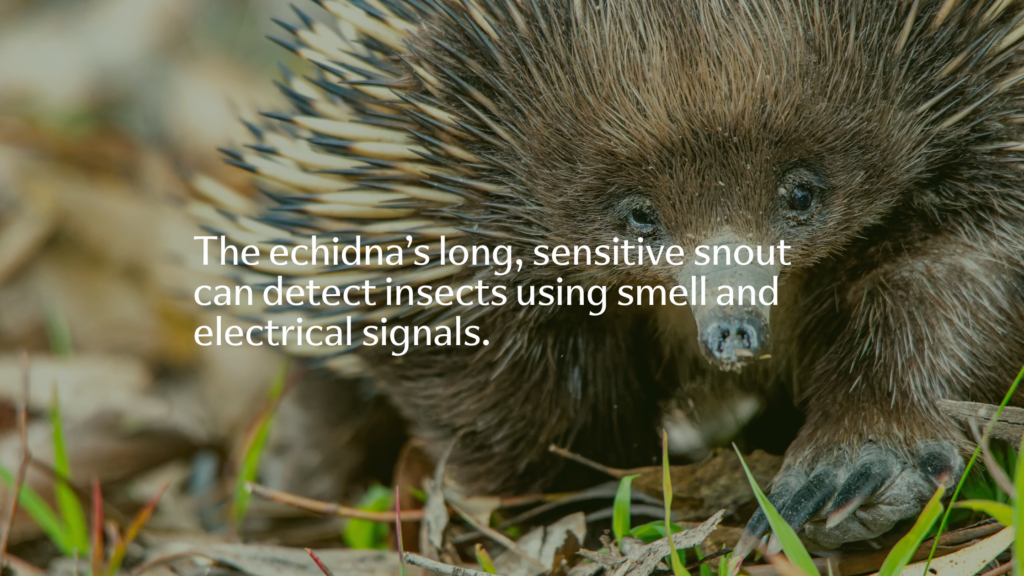
🤓 Their long, sensitive snout can detect insects using smell and electrical signals
🤓 During mating season, males may follow a female in a line known as an “echidna train”
🤓 They have survived largely unchanged for millions of years
A deeper reflection
The echidna challenges how we think about “primitive” and “advanced” in nature.
Despite its ancient lineage, it is highly adapted to modern Australian landscapes, surviving fires, droughts, and fragmented habitats.
But like many native species, it now faces pressure from:
😢 land clearing and habitat loss
😢 domestic dogs and road mortality
😢 changing fire regimes and climate stress
In a country with over 600,000 native species, most found nowhere else on Earth, the echidna is a quiet reminder that biodiversity is not just something we observe, it is something we are actively shaping.
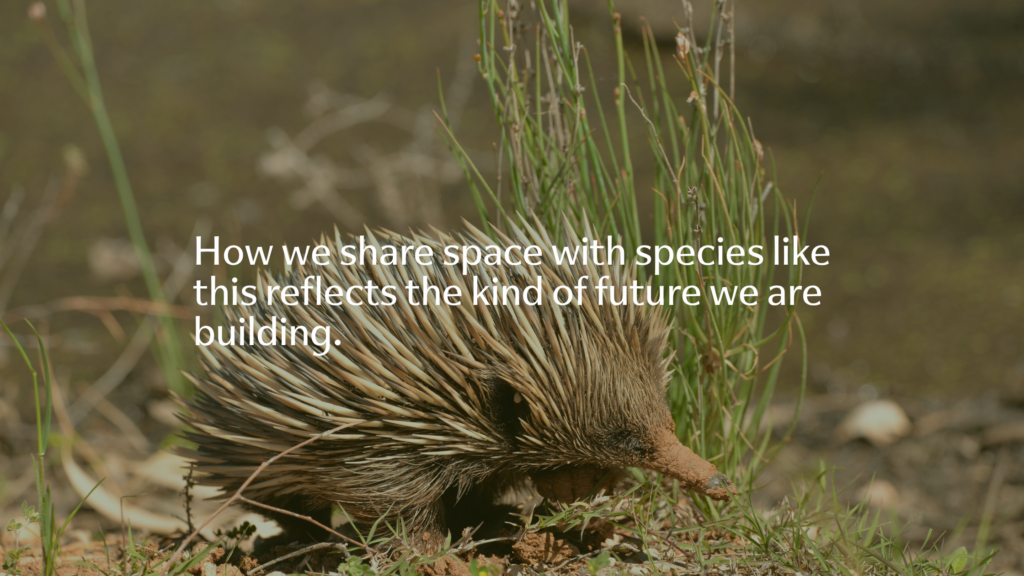
How we share space with species like this reflects the kind of future we are building.
From Wonder to Action
Learn & understand
Explore how biodiversity, climate, and land systems are deeply connected through our workshops with People For Nature.
-> https://collections.humanitix.com/people-for-nature-literacy-workshops
Create your Nature Oasis
Plant native species to restore habitat and support the insects, birds, and wildlife that depend on them.
Join citizen science
Record native species around you on iNaturalist and contribute to real conservation data.
(Special thanks to Simon Andrews, Ambassador for People For Nature, for helping shape this story)
References:
NSW Department of Climate Change, Energy, the Environment and Water. Echidnas.
Australian Museum. Short-beaked Echidna (Tachyglossus aculeatus).
https://australian.museum/learn/animals/mammals/short-beaked-echidna/