
Challenging the narratives of climate delay and how to dismantle them
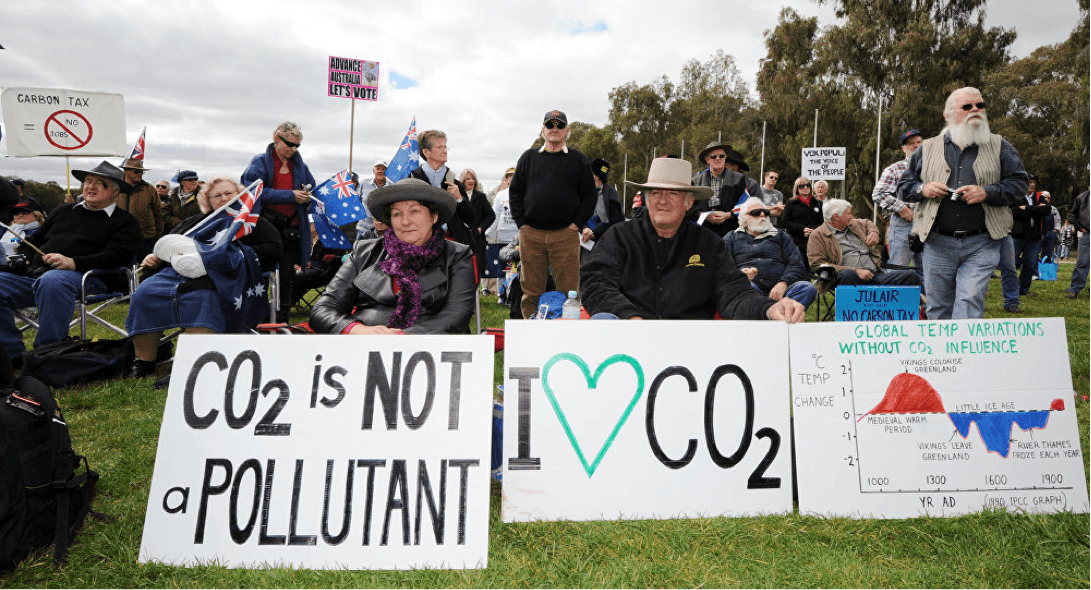
Climate change is frequently described with terms like “urgent crisis” or “code red for humanity”. Yet alongside the science are narratives that slow us down — stories that normalise delay, confusion, or distraction. These narratives shape how communities, organisations, and leaders interpret their agency in responding to climate risks.
At People For Nature, we recognise that how we talk about climate matters. Words do not just communicate; they frame possibility, constrain thinking, and either enable or inhibit action. Our work builds not only scientific literacy but also critical literacy — the ability to discern narratives that enable action from those that hinder it.
🧠 Key Narratives That Enable Delay
Several common narratives consistently undermine climate action:
📌 1. “Solar Farms Create a Vortex That Changes the Weather”
This claim positions large-scale renewable energy as potentially problematic, suggesting that clean solutions themselves could harm ecosystems or the climate. While renewable energy projects have environmental considerations, overemphasising hypothetical risks distracts from the urgent need to decarbonise and scale solutions.
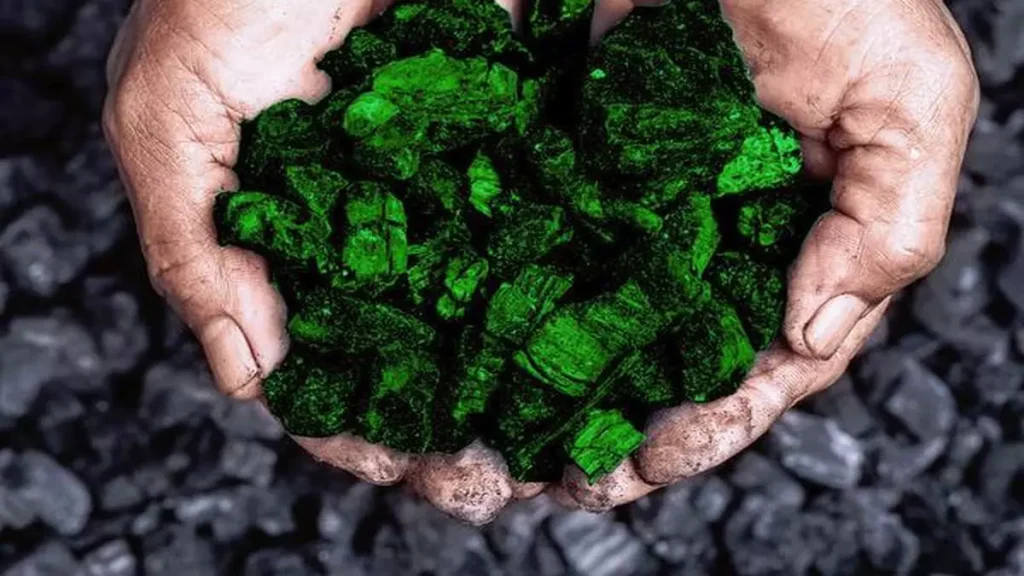
📌 2. “Climate Change Will Be Tackled Now That We Have Found Green Coal”
This is a classic technological distraction. The promise of a ‘silver-bullet’ solution like green coal fosters complacency, implying that systemic behaviour and energy transitions are unnecessary. It delays collective action and reinforces a passive mindset.
📌 3. “The Science Is Settled”
While scientific consensus is real, over-simplifying it can discourage continuous learning and nuanced decision-making in organisations and communities.
📌 4. “It’s Someone Else’s Responsibility”
Shifts accountability away from individuals, teams, or organisations and slows proactive engagement.
📌 5. “We Don’t Have Enough Time”
Urgency is real, but framing time as scarce without pathways to action can trigger paralysis rather than agency.
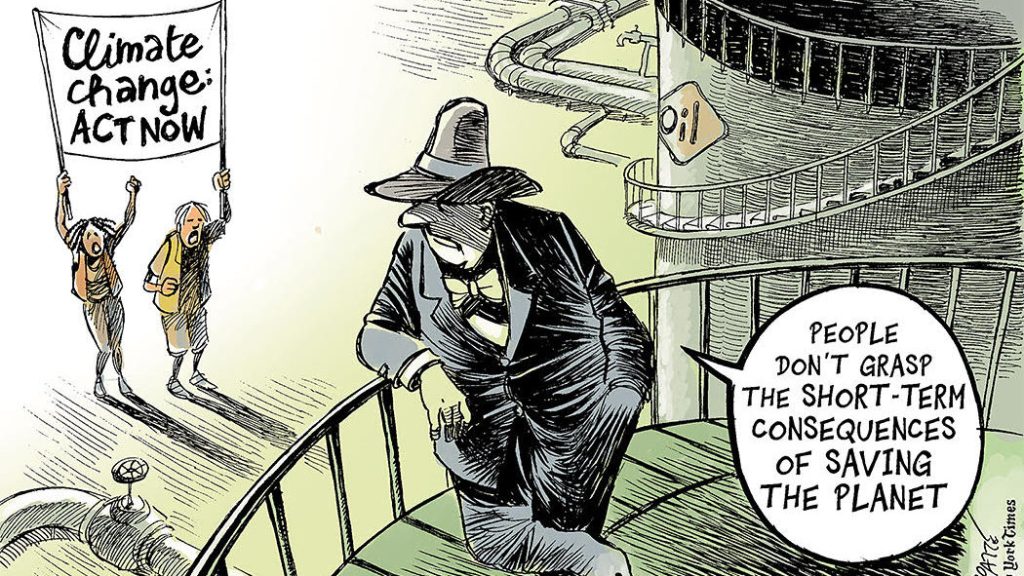
🌱 Why Addressing Narratives Matters
Narratives are not abstract. They influence:
- Perception of risk
- Sense of personal and collective agency
- Motivation to engage
- Willingness to collaborate across sectors
- Readiness to adopt change at scale
Without tools to examine and reframe limiting narratives, climate literacy remains incomplete. Facts alone do not drive transformation.
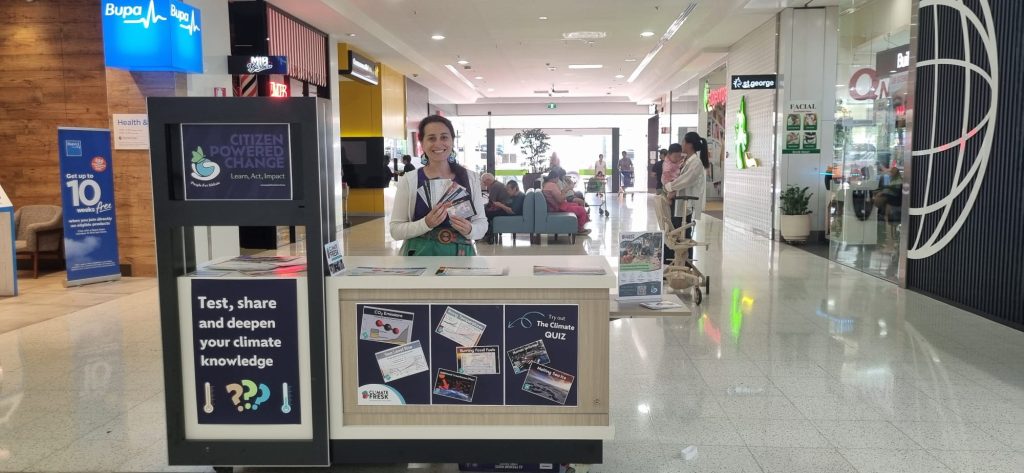
🔄 Dismantling Delay Through Systems Literacy
People For Nature’s approach combines science and systems thinking:
💜 Situating Science Within Systems
Understanding climate requires seeing how environmental, social, and economic systems interact — not memorising isolated facts.
💜 Naming and Reframing Limiting Narratives
We help learners identify unhelpful stories — like “green coal will fix everything” — and replace them with evidence-based frames that emphasise shared agency and actionable solutions.
💜 Co-creating Pathways to Action
Education is most effective when paired with practical strategies. Participants explore what they can do within their organisations, communities, and personal spheres.
💜 Building Collective Competence
Complex problems require coordinated responses. Shared understanding and narrative literacy equip teams and communities to act strategically.
📌 Reframing the Narrative — Examples
Instead of:
- “Solar farms might harm the weather” → “Renewable energy can be designed responsibly; scaling solutions is critical to climate mitigation.”
- “Green coal will fix climate change” → “Systemic transitions and behavioural change are essential alongside innovation.”
- “Someone else will fix it” → “Everyone has a role to play — individually and collectively.”
These reframes shift mindset from passive concern to active engagement, grounded in science.
🚀 Why This Matters for Organisations
For corporate partners, educators, and leaders, narrative literacy complements technical and strategic skills. It enables:
- 💜 Better internal alignment around sustainability goals
- 💜 More effective stakeholder communication
- 💜 Greater resilience in planning and risk assessment
- 💜 Staff confidence in climate-related decision-making
- 💜 Cultural shifts toward proactive contribution rather than reactive response
💜 Call to Action
Changing narratives does not mean ignoring reality. It means approaching climate challenges with clarity, agency, and strategic perspective. People For Nature supports organisations, schools, and communities to develop climate literacy and narrative awareness — so knowledge becomes power, not paralysis.
👉 Contact People For Nature to explore workshops and partnership opportunities for your team.
References
- A global assessment of the effects of solar farms on albedo, vegetation, and land surface temperature using remote sensing, Zhengjie Xu, Yan Li, Yingzuo Qin, Eviatar Bach.
- Impact of solar panels on global climate, Aixue Hu, Samuel Levis, Gerald A. Meehl, Weiqing Han, Warren M. Washington, Keith W. Oleson, Bas J. van Ruijven, Mingqiong He & Warren G. Strand.
- Posts mislead on solar farms’ climate impact, By Gwen Roley, AFP Fact Check is a department within Agence France-Presse (AFP).
- The truth about ‘clean’ coal, By Tim McLaughlin
- The era of the great carbon fraud is upon us, by Ben Oquist in The Canberra Times.